Share this page Go fullscreen

TRACKS OF A TRAILBLAZER

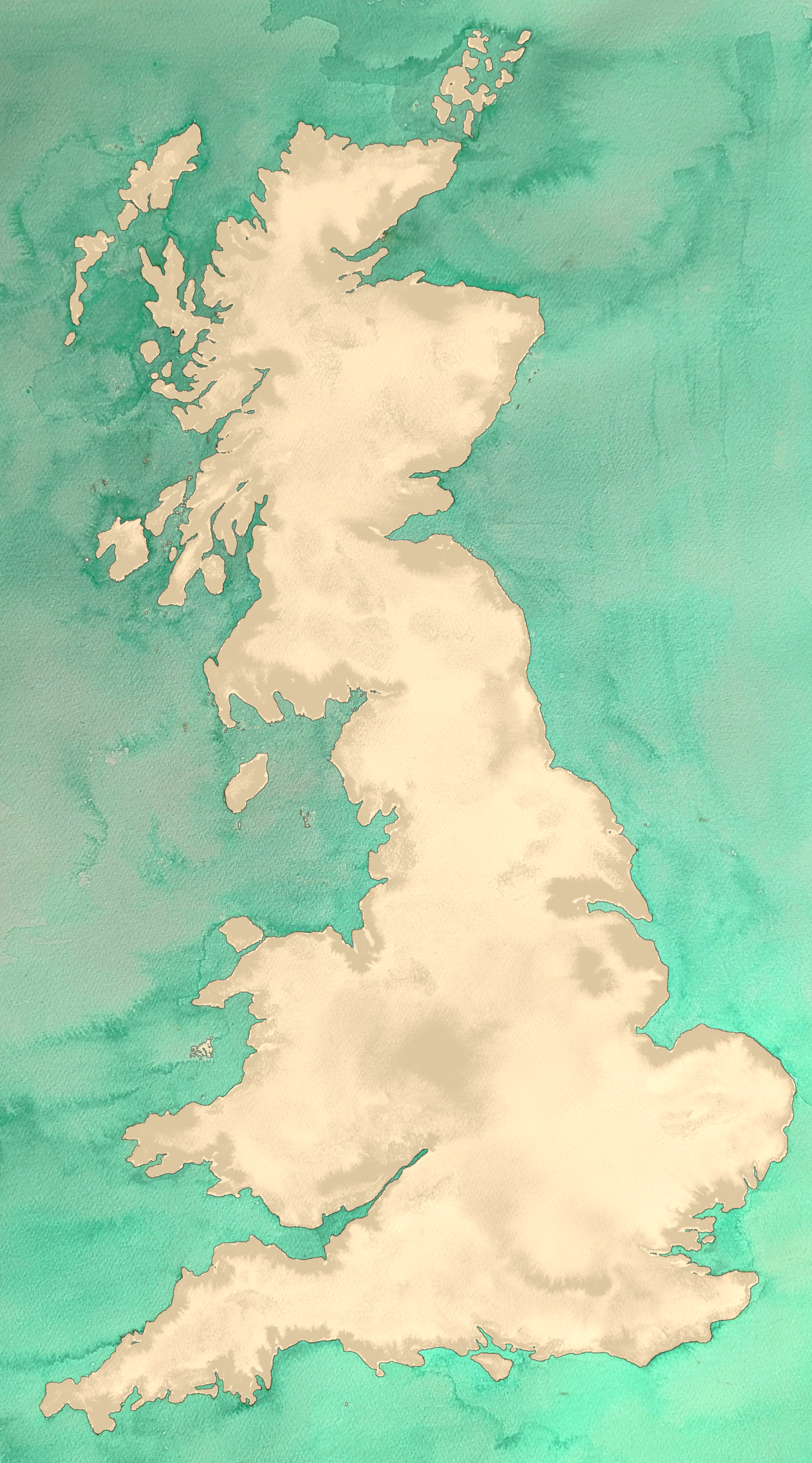
Welcome to The Mixed Museum's audio project exploring composer Samuel Coleridge-Taylor's rail journeys from 1898 to 1902. Click on the map to see the places he visited and open the panels to discover music, rail, Black and local history.

Introduction

Find out how to use this site and access the audio

Fullscreen

Shire Hall

Westgate Street, Gloucester

September 1898

Fullscreen

Alexandra Hall

Market Street, Newton Abbot

April 1902

Fullscreen

Tabernacle Chapel

Woodfield Street, Morriston, Swansea

December 1902
Fullscreen
Background map compass
Swansea Newport Hereford Worcester Cheltenham Spa Gloucester Bath Bristol Newbury London Newton Abbot
Tabernacle

EPISODE 3 Tabernacle Chapel Woodfield Street, Morriston, Swansea

Coleridge-Taylor conducted the Newport Choral Society in a performance of Hiawatha in 1902, receiving a rapturous welcome when the audience saw he was a man of Black heritage.

He returned in 1907 and 1908 to judge at the city’s eisteddfodau.

Also in 1908 he caught an evening train to Newport to see a performance of The Yeomen of the Guard, travelling back at night to teach at the Guildhall School of Music early the next morning. "It gave me plenty of time to study the score," he said.

Coleridge-Taylor was a regular presence at the Three Choirs Festival, including during Hereford’s turn to host.

In 1900, he conducted The Soul’s Expression, his musical setting of a poem by Elizabeth Barrett Browning in the city, and returned in 1903 to premiere his ambitious sacred cantata The Atonement.

The cathedral city of Worcester hosted repeat visits from Coleridge-Taylor, who debuted his work A Solemn Prelude as part of the Three Choirs Festival in 1899 – a year after his triumphant debut appearance at the festival with his commissioned work, Ballade in A Minor.

He returned in 1900 to conduct Hiawatha for the Worcester Festival Choral Society.

The Town Hall at Cheltenham was the venue for a visit by Coleridge-Taylor in May 1904, where he conducted three pieces: Danse Nègre (African Suite), Valse (Noveletten No 3) and Ethiopia Saluting the Colours.

Shire Hall

EPISODE 1 Shire Hall Westgate Street, Gloucester

Coleridge-Taylor visited Bristol several times to rehearse and conduct his work. In 1901, he appeared at Colston Hall with Onaway! Awake, Beloved and Ballade in A Minor — the piece that first brought him to national attention.

A year later, he returned for the Bristol Music Festival, where audiences were delighted by further selections from the Hiawatha cantatas.

In 1911, Coleridge-Taylor conducted two concerts in Bath featuring selections from his Hiawatha trilogy, along with his Bamboula overture and Petite Suite de Concert. On his way there, he suddenly found the missing inspiration for the choral intermezzo part of the Othello score he was writing for Sir Herbert Tree. Eager to share this news, he apparently leapt off the train to telegraph, “I’ve got it!”, before getting back on and continuing his journey.

The city of Newbury was graced with repeat visits from Coleridge-Taylor in 1902. In April, he conducted the Newbury Choral Society in a performance at the Town Hall of Hiawatha’s Wedding Feast and The Death of Minnehaha among other works.

In December – a few weeks before he headed to Newport and Swansea – he returned to lead the Society in the final cantata, Hiawatha’s Departure.

From his home in Croydon, Coleridge‑Taylor likely began his GWR journeys at Paddington station – the main railway gateway for the West and South West for Londoners.

Just a short tube ride away was Queen’s Hall in Langham Place, where he rehearsed and conducted many of his works.

Alexandra Hall

EPISODE 2 Alexandra Hall Market Street, Newton Abbot

Supported by Great Western Railways’ Customer and Community Improvement Fund GWR Railways logo

GWR Railways logo